

Cancer-Associated LEMS
Cancer-Associated LEMS

Patients with Cancer-Associated Lambert-Eaton myasthenic syndrome (LEMS) frequently have an underlying small cell lung cancer (SCLC) diagnosis
- Although rare, Cancer-Associated LEMS is the most common condition of its type in people with SCLC
- LEMS occurs when the immune system mistakenly attacks a part of the nervous system called the neuromuscular junction. This is where the nerve and muscle interact to control movement
- In Cancer-Associated LEMS, the antibodies produced by the body to fight the cancer also attack the neuromuscular junction, blocking the signals needed for proper muscle function
Signs and Symptoms of Cancer-Associated LEMS
Be on the lookout for the signs and symptoms of Cancer-Associated LEMS, which may be similar to ones you have with your cancer treatment
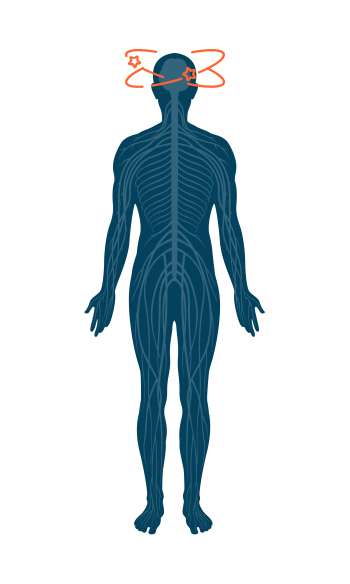

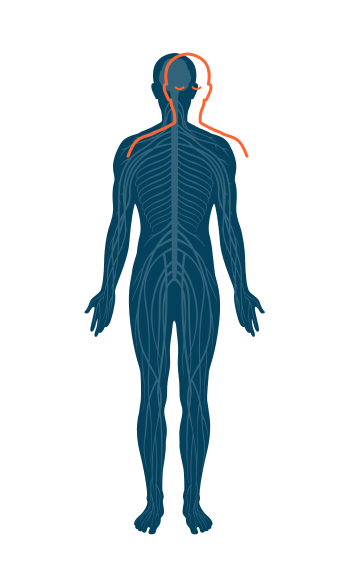

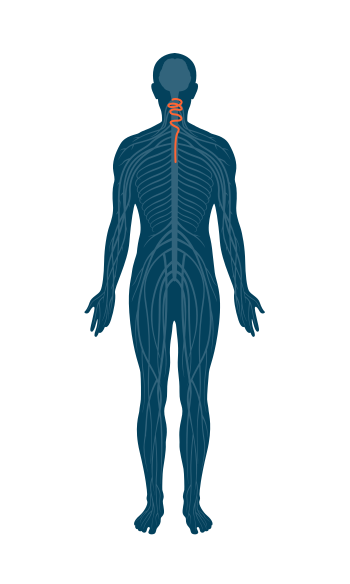
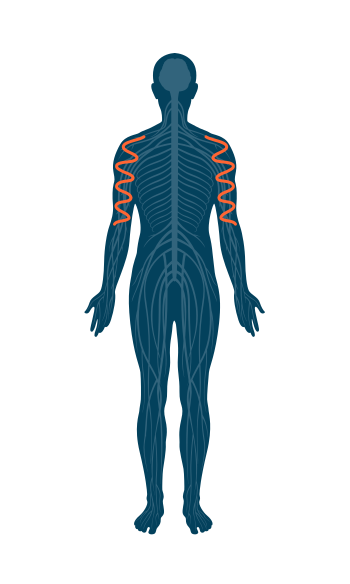

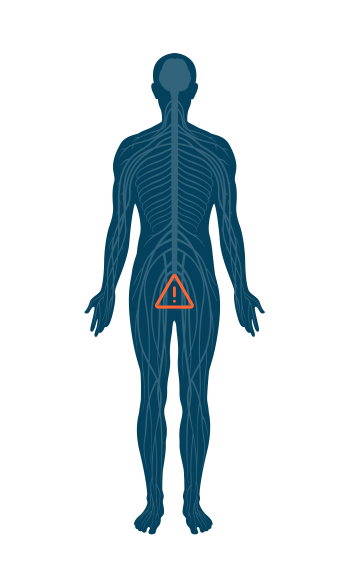
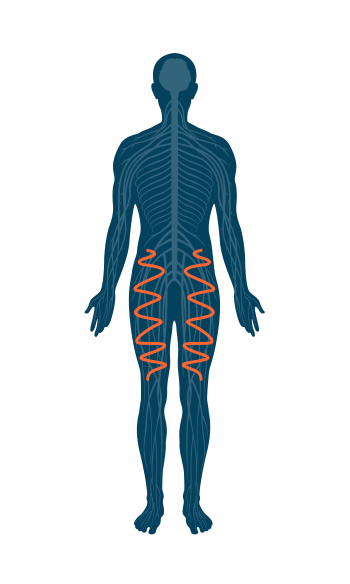
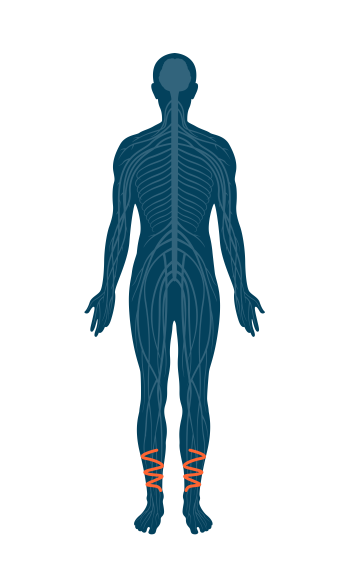
- Dizziness upon standing
- Fatigue
- Drooping eyelids, and/or blurred vision
- Dry mouth, dry eyes, dry skin
- Difficulty swallowing
- Arm weakness
- Constipation
- Erectile dysfunction
- Upper leg weakness
- Lower leg weakness
Patients with Cancer-Associated LEMS may face numerous daily challenges
A panel consisting of 104 patients with Cancer-Associated LEMS described their experiences and the effects on their lives and those around them.

Muscle pain, which may reduce quality of life

Extreme fatigue, which makes it difficult to do day-to-day tasks and climb stairs

Trouble chewing and slurred speech

Vision trouble and dry mouth, which can interfere with everyday activities

Inability to sleep, which also disrupts their family members’ sleep

Difficulty with self-care and heavy reliance on caregiver support

Patient-reported feelings of depression
Diagnosis of Cancer-Associated LEMS may not be happening nearly enough
Testing For Cancer-Associated LEMS
If your doctor suspects Cancer-Associated LEMS, the diagnosis can be confirmed by:
If you suspect you may have the symptoms of Cancer-Associated LEMS, ask your doctor to order the blood test to confirm the diagnosis.
Coordinated Care
For Cancer-Associated LEMS

In Cancer-Associated LEMS, the treatment team usually includes oncologists and sometimes neurologists who may use a coordinated effort to determine the appropriate treatment for you.
-
The oncologist will treat the underlying cancer and can order the tests to confirm a diagnosis of Cancer-Associated LEMS
- The neurologist may be consulted once a Cancer-Associated LEMS diagnosis is made
Advocacy Groups