
Caregivers
Help for the unsung heroes of healthcare
The challenges of living with Lambert-Eaton myasthenic syndrome (LEMS) are not just felt by the patient—we know that whoever is caring for the patient is also affected. Being a caregiver is not always easy, but it is one of the most important roles that a person can play. To support those who are supporting the patients, we offer the following information and resources for caregivers.
THERE WAS A LOT OF EMOTIONAL PAIN FOR ME, JUST AS HER CAREGIVER.
Mark describes caring for Jamie
Jamie’s husband, Mark, talks about the struggles his wife went through with LEMS prior to her diagnosis, and how the right treatment helped turn things around.

And when we said in sickness and in health, we were really hoping that the health part would last a little bit longer.
Kristen talks about being a newlywed with LEMS
Kristen discusses how a LEMS diagnosis 1 month after her wedding changed everything and how her husband immediately and graciously stepped in as her main supporter and caretaker.
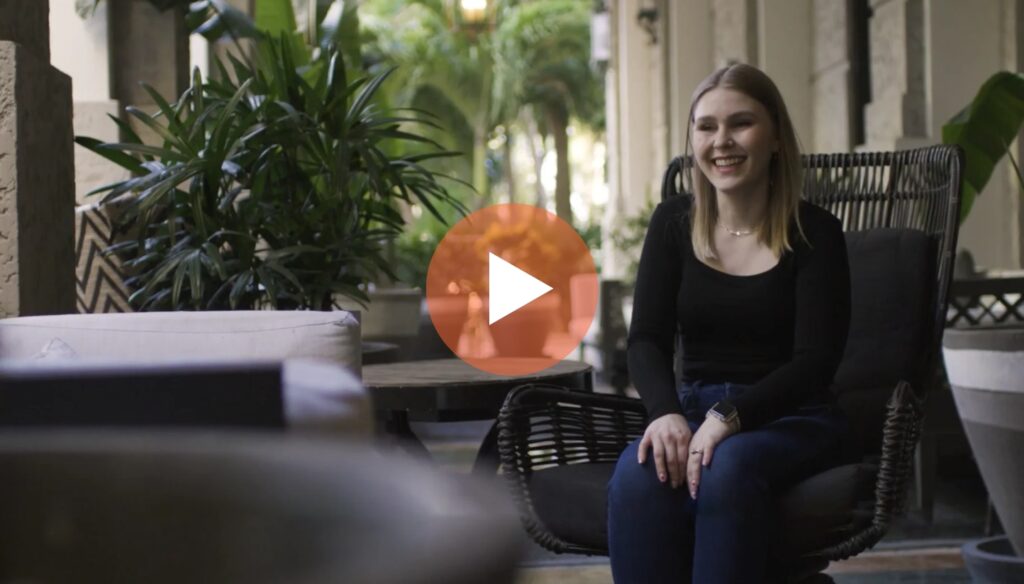

MANAGING YOUR CARE TEAM
LEMS expert Dr. Amit Sachdev offers advice for managing communications for patient care.
TIPS FOR LEMS CAREGIVERS

Start a conversation
Your caregiving role may start small, like providing an occasional lift to the store, but because LEMS is a progressive disease, the person you care for will likely need more assistance over time. That’s why it’s important to have a conversation now about their preferences and concerns for future care.

Build your support team
Don’t try to handle all of the responsibilities of caregiving by yourself. Ask other family members or friends of the person you care for if they would be willing to cover some of the responsibilities, or at least pitch in occasionally when you have a conflict or simply need a break.

Tap into professional resources
If you discover that the person you care for may need more support than you or your team members can provide, there are other sources you can turn to for help. Consider researching home-delivered meals and transportation services in your area. You can also talk to a nurse or social worker for guidance and connections to additional support.

Install independence
Helping a person with LEMS stay as independent as possible in their own home may require modifications. Consider installing nightlights, handrails in the bathroom and along staircases, and/or adjustable shower chairs to make their home safer and more comfortable.
WHEN I HEARD EMILY HAD LEMS, THE FIRST THING I DID WAS GET ON THE INTERNET.
Laura discusses her approach to caring for her daughter with LEMS
In this video, Laura describes early feelings of helplessness but then how taking charge of the information search helped Emily find the care she needed to become functional again.
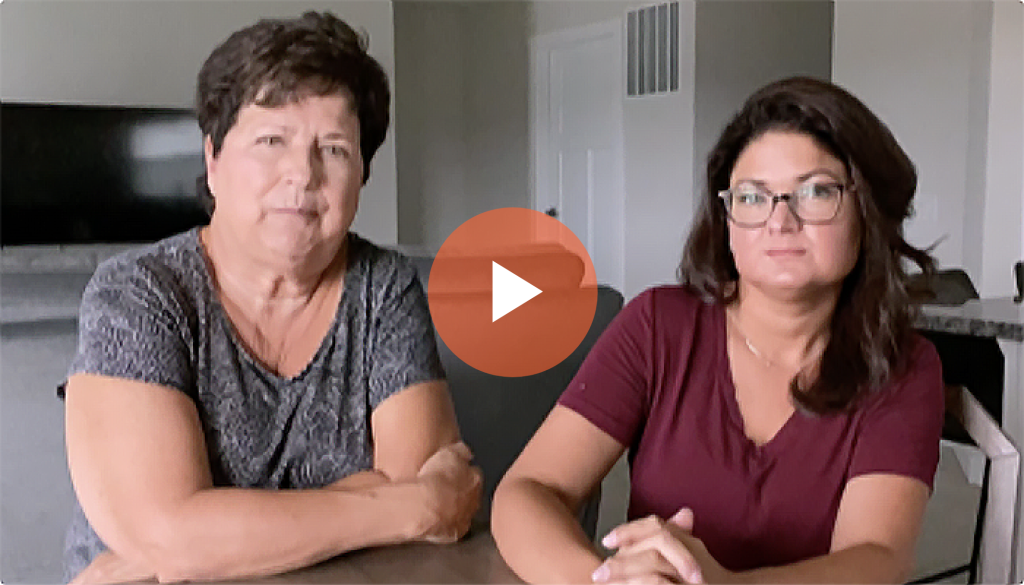

CARE. DON’T CARRY.
Caregivers, you’re not alone. Read the LEMS Aware blog for advice on taking care of yourself from others who have been there.
CARING FOR YOURSELF
Their health and wellness are tied to yours
Being someone’s support person—in addition to handling your own personal or professional responsibilities—can really add stress to your life. With the primary focus on the patient with LEMS, it’s easy to lose focus on your own needs. But that’s a misstep that can put both of you at risk. Remember, you can’t care for them if you’re not well yourself.
Here are some tips that can help you stay healthy and well:

Start with the basics of self-care
Make sure to get enough sleep and exercise, and eat healthy. Carve out time to do things you love or new activities you want to try. Also, don’t skip your regular medical check-ups, and be aware of any signs of illness or depression.
Join a caregiver group
It’s encouraging to know you’re not alone. A caregiver group can provide empathy, validation, and a sense of community. The healthcare center where the patient you are caring for is treated may know of one.

Let others help you
Admit to yourself and others when you could use a hand. Try to be specific in the ways they can help you, like making a meal, picking up groceries, or taking the patient to an appointment.

I push Jerry sometimes, and at other times, it’s about being patient.
Phyllis discusses her approach to caring for her husband who’s living with LEMS.
In this video, Phyllis describes how she has learned to balance self-care with the responsibilities of taking care of her husband, Jerry.

Do you have other questions?
Visit Caregiver FAQs to find more answers geared specifically to you.